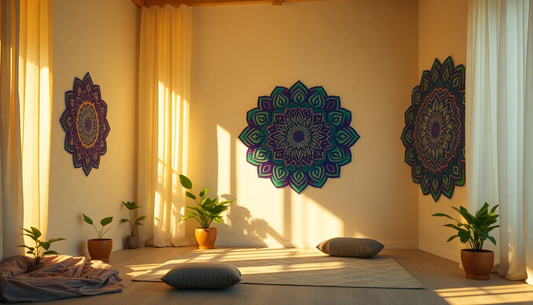
Elevate Your Space: Infusing Spiritual Serenity with Mandala Designs
In today's fast-paced world, creating a sanctuary within your home has become more important than ever. The spaces we inhabit directly influence our mental, emotional, and spiritual well-being. One of the most effective ways to transform your environment into a haven of tranquility is through the thoughtful incorporation of mandala designs. At WillowJennings, we believe that every space tells a story, and mandalas offer a profound way to infuse spiritual serenity into your surroundings. This comprehensive guide explores how you can elevate your space through mandala designs and create an atmosphere that nurtures your soul.
Understanding Mandalas: Ancient Wisdom Meets Modern Living
Mandalas have captivated human consciousness for thousands of years, originating from Sanskrit traditions and spreading across various cultures and spiritual practices. The word mandala itself means circle in Sanskrit, but its significance extends far beyond a simple geometric shape. A mandala represents wholeness, unity, and the infinite nature of the universe. These intricate patterns serve as visual representations of cosmic order and spiritual harmony.
The Historical Significance of Mandalas
The history of mandalas is rich and deeply rooted in spiritual traditions. In Hinduism and Buddhism, mandalas have been used as meditation tools and spiritual diagrams for centuries. Buddhist monks create elaborate sand mandalas as part of their spiritual practice, each grain of sand placed with intention and mindfulness. Hindu mandalas often appear in temples and sacred spaces, serving as focal points for meditation and prayer. The creation and contemplation of mandalas have always been connected to spiritual awakening and inner transformation.
As these ancient practices traveled across continents, mandalas evolved and adapted to different cultural contexts. In Islamic art, geometric patterns similar to mandalas appear in intricate tilework and architectural designs. In Western cultures, mandalas have gained popularity as tools for stress relief, creative expression, and spiritual exploration. Today, mandalas represent a universal language of harmony and balance that transcends cultural boundaries.
The Symbolism Behind Mandala Patterns
Every element within a mandala carries symbolic meaning. The center point, often called the bindu, represents the source of all creation and the divine center within each individual. Radiating outward from this center, the concentric circles and geometric patterns symbolize the expansion of consciousness and the interconnectedness of all things. The symmetry inherent in mandala designs reflects the balance and order found in nature and the cosmos.
Different colors used in mandalas also carry specific meanings. Red represents passion and energy, blue symbolizes tranquility and communication, green embodies growth and healing, yellow radiates joy and enlightenment, and purple connects to spiritual wisdom and transformation. By understanding these symbolic elements, you can choose mandalas that resonate with your personal intentions and spiritual goals.
The Psychological and Spiritual Benefits of Mandala Designs
Incorporating mandala designs into your living space offers numerous psychological and spiritual benefits that extend far beyond aesthetic appeal. Research has shown that viewing and creating mandalas can significantly reduce stress and anxiety, promote mindfulness, and enhance overall well-being.
Stress Reduction and Mental Clarity
The symmetrical and repetitive nature of mandala patterns has a naturally calming effect on the human mind. When we gaze upon a mandala, our eyes naturally follow the geometric patterns toward the center, creating a meditative experience. This focused attention helps quiet the constant chatter of our minds and brings us into the present moment. Studies have demonstrated that individuals who spend time contemplating mandalas experience lower cortisol levels, the hormone associated with stress.
The intricate patterns of mandalas engage both hemispheres of the brain. The left hemisphere processes the logical, geometric aspects of the design, while the right hemisphere responds to the creative and intuitive elements. This balanced brain engagement promotes mental clarity and enhances cognitive function. Many people find that simply having a mandala in their visual field throughout the day helps maintain a sense of calm and centeredness.
Spiritual Awakening and Self-Discovery
Mandalas serve as powerful tools for spiritual exploration and self-discovery. By meditating on mandala designs, individuals often experience profound insights into their inner nature and spiritual path. The journey from the outer edges of the mandala toward the center mirrors the spiritual journey inward toward one's true self. This symbolic journey can facilitate personal transformation and spiritual growth.
The contemplation of mandalas encourages introspection and self-awareness. As you spend time with a mandala, you may notice which elements draw your attention, which colors resonate with you, and what emotions arise. These observations provide valuable information about your current spiritual state and emotional needs. Many spiritual practitioners use mandalas as focal points for intention-setting and manifestation work.
Enhanced Creativity and Intuition
Surrounding yourself with mandala designs stimulates creative thinking and enhances intuitive abilities. The complex patterns and harmonious proportions of mandalas activate the creative centers of the brain. Artists, writers, and creative professionals often find that having mandalas in their workspace increases inspiration and creative flow. The visual richness of mandala designs provides endless material for creative interpretation and expression.
Choosing the Right Mandala Designs for Your Space
Selecting mandala designs that align with your space and intentions is an important step in creating a spiritually harmonious environment. Different styles, colors, and sizes of mandalas serve different purposes and work better in different rooms.
Assessing Your Space and Needs
Before selecting mandala designs, take time to assess your space and understand what you hope to achieve. Consider the size of your room, the existing color palette, the natural lighting, and the primary function of the space. A bedroom requires a different energy than a home office or meditation room. Think about whether you want the mandala to be a focal point that draws attention or a subtle element that provides background harmony.
Consider also your personal spiritual practice and intentions. Are you seeking to enhance meditation and mindfulness? Do you want to promote healing and emotional balance? Are you looking to stimulate creativity and inspiration? Different mandala designs resonate with different intentions. Some mandalas are specifically designed for chakra balancing, others for manifestation, and still others for general spiritual harmony.
Color Selection and Energy
The colors you choose for your mandala designs significantly impact the energy they bring to your space. Warm colors like reds, oranges, and yellows create energizing, vibrant atmospheres suitable for creative spaces and social areas. Cool colors like blues, greens, and purples promote calm, relaxation, and introspection, making them ideal for bedrooms and meditation spaces. Neutral mandalas in black, white, and gray offer timeless elegance and work well in any setting.
Consider the chakra system when selecting colors. Each chakra is associated with specific colors and qualities. Red and orange mandalas support the root and sacral chakras, promoting grounding and vitality. Yellow mandalas activate the solar plexus chakra, enhancing personal power and confidence. Green and pink mandalas open the heart chakra, fostering love and compassion. Blue mandalas support the throat chakra, enhancing communication and expression. Indigo and purple mandalas activate the third eye and crown chakras, promoting spiritual insight and connection.
Size and Placement Considerations
The size of your mandala design should be proportional to your space and serve your intended purpose. Large mandala wall art creates a dramatic focal point and can anchor an entire room's design. Medium-sized mandalas work well on shelves, side tables, or as part of a gallery wall. Small mandala designs can be incorporated through decorative objects, textiles, and accessories.
Placement is equally important as size. In a bedroom, consider placing a mandala above the bed or on the wall you see first when waking. In a meditation room, position the mandala at eye level when seated. In a living room, place it where it naturally draws the eye and creates visual interest. In a home office, position it where you can glance at it during moments of stress or creative block.
Mandala Design Applications: From Walls to Textiles
There are countless ways to incorporate mandala designs into your home decor. Each application method offers unique aesthetic and energetic benefits.
Wall Art and Murals
Mandala wall art is one of the most impactful ways to transform a space. Large-scale mandala paintings or prints create an immediate focal point and set the tone for the entire room. Canvas prints offer a sophisticated look and can be easily changed if you want to refresh your space. Vinyl wall decals provide a temporary option that allows for experimentation without permanent commitment. Hand-painted mandala murals create a truly unique and personalized space, though they require more investment and planning.
When selecting wall art, consider the style of your existing decor. Modern minimalist spaces benefit from geometric, abstract mandalas in limited color palettes. Bohemian and eclectic spaces can accommodate more ornate, colorful mandala designs. Traditional or classical interiors work well with mandala art that incorporates gold accents or classical color schemes.
Textiles and Soft Furnishings
Mandala designs on textiles bring warmth and comfort to your space while maintaining spiritual harmony. Mandala throw pillows add visual interest to sofas and beds while providing tactile comfort. Mandala blankets and throws can be draped over furniture or used as meditation blankets. Mandala tapestries serve as versatile wall hangings that can be easily changed or repositioned. Mandala bedding creates a serene sleeping environment that supports restful, spiritual dreams.
Textile mandalas offer the advantage of being portable and flexible. You can move them between rooms, change them seasonally, or update them as your taste evolves. High-quality fabrics ensure that mandala designs remain vibrant and beautiful for years. Natural fibers like cotton, linen, and silk not only look beautiful but also support a more sustainable and spiritually aligned lifestyle.
Decorative Objects and Accessories
Mandala designs appear in numerous decorative objects that can be strategically placed throughout your home. Mandala plates and bowls add artistic flair to kitchen and dining spaces. Mandala mirrors create interesting visual effects and help distribute light throughout a room. Mandala clocks combine functionality with spiritual aesthetics. Mandala cushions and floor pillows create comfortable meditation spaces. Mandala candles and diffusers infuse your space with both visual beauty and aromatic benefits.
These smaller decorative items allow you to experiment with mandala designs without making large commitments. They work well in creating a cohesive design scheme when you select items that share similar color palettes or design styles. Grouping mandala objects together creates visual impact, while scattering them throughout your space creates subtle spiritual touchpoints.
Lighting and Mandala Designs
Lighting plays a crucial role in how mandala designs are perceived and the energy they project. Mandala designs with translucent elements, such as stained glass or backlit prints, create magical effects when illuminated. Mandala-shaped light fixtures cast beautiful patterns on walls and ceilings. Mandala designs positioned near windows allow natural light to interact with the patterns, creating dynamic visual effects throughout the day.
Consider using warm lighting to enhance the spiritual and meditative qualities of mandalas. Soft, diffused lighting creates a more intimate and calming atmosphere than bright, harsh lighting. Dimmable lights allow you to adjust the ambiance based on your needs and the time of day. Candlelight adds a sacred, ceremonial quality to mandala designs, making them particularly effective in meditation spaces.
Creating a Mandala Meditation Space
A dedicated meditation space infused with mandala designs becomes a powerful sanctuary for spiritual practice and inner exploration. Creating such a space requires thoughtful planning and intentional design choices.
Designing Your Sacred Space
Begin by selecting a quiet corner or room where you can meditate without interruption. This space should feel separate from the daily bustle of your home, creating a clear boundary between your spiritual practice and everyday activities. The size doesn't matter as much as the intention and energy you invest in creating the space.
Position a mandala design at eye level when you're seated in your meditation posture. This becomes your focal point for meditation. Surround this primary mandala with complementary elements that support your practice. Additional mandalas in different styles or colors can be placed on shelves or walls, creating layers of spiritual energy. Ensure that the space feels balanced and not cluttered, as simplicity enhances the meditative experience.
Incorporating Natural Elements
Natural elements enhance the spiritual quality of a mandala meditation space. Plants bring living energy and purify the air, creating a healthier environment for meditation. Stones and crystals add grounding energy and can be selected based on their metaphysical properties. Water features, such as small fountains, create soothing sounds that support deep meditation. Natural wood elements connect you to the earth and create warmth in the space.
The combination of mandala designs with natural elements creates a balanced environment that honors both the spiritual and physical aspects of meditation. This integration helps bridge the gap between the abstract, spiritual realm represented by mandalas and the tangible, natural world we inhabit.
Establishing a Meditation Practice
Once your mandala meditation space is established, develop a consistent meditation practice to fully benefit from the environment you've created. Begin by sitting comfortably and gazing softly at your mandala. Allow your eyes to follow the patterns naturally, without forcing your attention. As your mind settles, you may close your eyes and hold the image of the mandala in your mind's eye.
Set an intention for your meditation practice. This might be a specific quality you wish to cultivate, such as peace, compassion, or clarity. Hold this intention as you meditate, allowing the mandala to support your focus. Over time, you'll develop a deeper relationship with your meditation space and the mandalas within it. The space becomes increasingly powerful as you invest time and energy into your practice.
Mandala Designs for Different Rooms
Different rooms in your home serve different purposes and benefit from different mandala designs and applications.
Bedroom Sanctuaries
The bedroom is your personal sanctuary, a place of rest, intimacy, and renewal. Mandala designs in the bedroom should promote relaxation, peaceful sleep, and spiritual connection. Soft, cool-toned mandalas in blues, purples, and greens create a calming atmosphere. Mandala bedding or a large mandala print above the bed creates a focal point that soothes the mind before sleep.
Consider placing a mandala on the wall you see when you first wake up. This sets a positive, spiritual tone for your day. Avoid overly stimulating or bright mandalas in the bedroom, as these can be energizing rather than calming. The goal is to create an environment that supports deep, restorative sleep and spiritual dreams.
Living Room Harmony
The living room is often the heart of the home, a space for gathering, relaxation, and social connection. Mandala designs in living rooms should create welcoming, harmonious energy while reflecting your personal style. A large mandala artwork serves as a conversation piece and focal point. Mandala throw pillows and blankets add comfort and visual interest to seating areas.
In living rooms, you can incorporate more vibrant and varied mandala designs than in bedrooms. Multiple mandalas in different styles and colors create visual richness and reflect the dynamic nature of family life. The key is ensuring that the designs work together harmoniously rather than creating visual chaos.
Home Office Inspiration
A home office infused with mandala designs becomes a space of productivity, creativity, and focused intention. Mandala designs that incorporate yellows, oranges, and golds stimulate mental clarity and creative thinking. A mandala positioned where you can see it during moments of stress or creative block provides grounding and inspiration.
Consider a mandala that represents your professional goals or intentions. Some people choose mandalas that symbolize success, clarity, or abundance. Others select designs that represent their industry or field of work. The mandala becomes a visual reminder of your professional aspirations and a source of motivation throughout your workday.
Kitchen and Dining Spaces
The kitchen and dining areas are spaces of nourishment, both physical and spiritual. Mandala designs in these spaces can enhance the experience of eating and create a more mindful approach to food. Mandala plates, bowls, and placemats bring artistic beauty to the dining table. Mandala artwork on kitchen walls creates a warm, inviting atmosphere.
Choose mandalas in warm, appetizing colors like reds, oranges, and yellows for kitchen spaces. These colors stimulate appetite and create a sense of abundance and vitality. Mandala designs that incorporate food-related symbolism, such as mandalas featuring fruits or flowers, create a thematic connection to the space's purpose.
Bathroom Retreats
Bathrooms are often overlooked as spaces for spiritual practice, yet they offer wonderful opportunities for creating moments of mindfulness and self-care. Mandala designs in bathrooms transform these functional spaces into personal spas and meditation areas. Mandala shower curtains, bath mats, and wall art create a cohesive design scheme.
Choose mandalas in calming colors and consider designs that incorporate water elements or flowing patterns. Mandala designs that represent cleansing, renewal, or healing are particularly appropriate for bathroom spaces. Taking a bath or shower in a mandala-infused bathroom becomes a ritualistic act of self-care and spiritual renewal.
Mandala Design Styles and Aesthetics
Understanding different mandala design styles helps you select designs that align with your personal aesthetic and spiritual preferences.
Traditional and Spiritual Mandalas
Traditional mandalas draw from Hindu, Buddhist, and other spiritual traditions. These designs often feature intricate geometric patterns, sacred symbols, and spiritual iconography. Traditional mandalas are deeply rooted in spiritual practice and carry the wisdom of ancient traditions. They work well in spaces dedicated to meditation, prayer, or spiritual study.
Traditional mandal