Elevate Your Space: Infusing Spiritual Serenity with Mandala Designs
In our fast-paced modern world, creating a sanctuary of peace and tranquility within our homes has become more important than ever. The spaces we inhabit directly influence our mental, emotional, and spiritual well-being. One of the most effective ways to transform your environment into a haven of serenity is through the incorporation of mandala designs. These ancient, sacred geometric patterns have captivated cultures across the globe for thousands of years, and their presence in contemporary interior design continues to grow. At WillowJennings, we understand the profound impact that thoughtfully curated spiritual elements can have on your living space, and we're here to guide you through the transformative journey of infusing mandala designs into your home.
Understanding the Essence of Mandalas
The Historical Significance of Mandala Art
The word mandala originates from Sanskrit, meaning "circle" or "completion." These intricate geometric patterns have been used for centuries in various spiritual traditions, particularly in Buddhism and Hinduism. Mandalas serve as visual representations of the universe, spiritual journeys, and the interconnectedness of all things. In Buddhist traditions, mandalas are created as meditation tools and spiritual diagrams that guide practitioners toward enlightenment. Hindu mandalas, often called yantras, are used in meditation and worship to focus the mind and connect with divine energy.
The creation of mandalas is itself a meditative practice. Monks and spiritual practitioners spend countless hours crafting these intricate designs by hand, infusing each line and curve with intention and spiritual energy. This meticulous process transforms the creation of a mandala into a form of moving meditation, where the artist becomes one with their work. The resulting artwork carries the energy and consciousness of its creator, making each mandala unique and powerful.
Throughout history, mandalas have appeared in various forms across different cultures. From the rose windows of medieval European cathedrals to the intricate patterns of Islamic geometric art, the mandala principle of circular harmony and balance transcends cultural boundaries. This universal appeal speaks to something fundamental in human consciousness—our innate desire for order, balance, and spiritual connection.
The Spiritual Meaning Behind Mandala Patterns
Each element within a mandala design carries specific spiritual significance. The center point, or bindu, represents the source of all creation and the focal point of meditation. The concentric circles radiating outward symbolize the expansion of consciousness and the journey from the inner self to the outer universe. The geometric shapes—triangles, squares, and lotus petals—each hold their own meaning. Triangles often represent the divine trinity or the balance of masculine and feminine energies. Squares symbolize stability and the earthly realm, while lotus petals represent purity and spiritual awakening.
The symmetry inherent in mandala designs is not merely aesthetic; it reflects the fundamental balance found in nature and the cosmos. This perfect symmetry has a calming effect on the human mind, as our brains are naturally drawn to patterns and order. When we gaze upon a mandala, our minds naturally follow the geometric patterns, creating a meditative state that quiets mental chatter and promotes inner peace.
Colors within mandalas also carry spiritual significance. Red represents energy and passion, blue symbolizes tranquility and communication, green embodies healing and growth, yellow radiates joy and enlightenment, and purple connects to spiritual wisdom and transformation. Understanding these color associations allows you to choose mandalas that align with your specific spiritual intentions and desired energy shifts.
The Psychological Benefits of Mandala Designs
How Mandalas Affect Mental Health
Scientific research has increasingly validated what spiritual practitioners have known for centuries: mandalas have profound effects on mental health and well-being. The act of viewing or creating mandalas activates the parasympathetic nervous system, which is responsible for the body's relaxation response. This activation reduces cortisol levels, the primary stress hormone, and promotes a state of calm and centeredness.
The geometric patterns in mandalas engage both hemispheres of the brain. The left hemisphere, which processes logical and analytical information, focuses on the mathematical precision of the patterns. The right hemisphere, which handles creative and intuitive processing, responds to the artistic and symbolic elements. This bilateral brain engagement creates a state of coherence and balance that extends beyond the viewing experience into daily life.
Mandalas are particularly effective for individuals dealing with anxiety, depression, and trauma. The meditative quality of mandala designs provides a safe focal point for the mind, allowing it to step away from anxious thoughts and ruminating patterns. Many therapists now incorporate mandala coloring and meditation into their therapeutic practices, recognizing the healing potential of these sacred designs.
Mandalas as Tools for Meditation and Mindfulness
Using mandalas as meditation focal points is one of the most direct ways to experience their benefits. By fixing your gaze on the center of a mandala and allowing your eyes to slowly trace the patterns outward, you engage in a form of moving meditation that naturally quiets the mind. This practice, known as mandala gazing or mandala meditation, has been used for thousands of years to deepen spiritual practice and expand consciousness.
The practice of coloring mandalas has gained significant popularity in recent years, and for good reason. Mandala coloring combines the meditative benefits of the design itself with the therapeutic effects of creative expression. As you select colors and carefully fill in the intricate patterns, your mind becomes fully absorbed in the present moment. This state of flow—where you're completely engaged in an activity without self-consciousness or worry—is one of the most beneficial states for mental health and emotional regulation.
Creating your own mandalas is an even more powerful practice. Whether you're drawing them freehand or using geometric tools, the process of creating a mandala is deeply meditative. You become the channel through which the universal patterns of creation flow, and in doing so, you align yourself with the fundamental harmony of existence. Many people find that their most profound insights and creative breakthroughs occur while engaged in mandala creation.
Incorporating Mandalas into Your Home Design
Choosing the Right Mandala Designs for Your Space
When selecting mandala designs for your home, consider both the aesthetic qualities and the spiritual intentions you wish to cultivate. Different mandalas resonate with different energies and purposes. Some mandalas are designed to promote healing and restoration, making them ideal for bedrooms and bathrooms. Others are energizing and uplifting, perfect for creative spaces like studios or home offices. Still others are grounding and stabilizing, excellent choices for living rooms and meditation spaces.
The size of your mandala artwork should be proportional to the space it will occupy. A large mandala can serve as a stunning focal point in a room, drawing the eye and anchoring the entire design scheme. Smaller mandalas work beautifully as part of a gallery wall or as accents on shelves and side tables. Consider the wall space available and the overall layout of your room when determining the appropriate size.
Color coordination is another important consideration. While mandalas are beautiful in their traditional vibrant colors, they also come in monochromatic designs, pastels, and earth tones. Choose colors that complement your existing décor while also supporting your spiritual intentions. A mandala with cool blues and purples will create a calming, meditative atmosphere, while one featuring warm oranges and reds will energize and invigorate the space.
Creating a Mandala Meditation Space
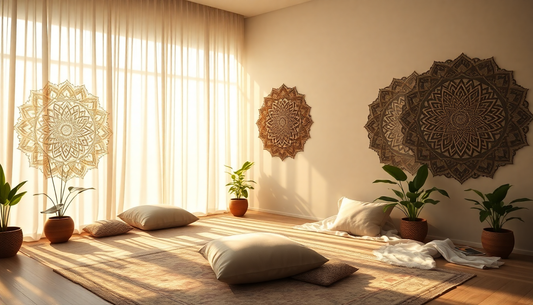
Designating a specific area in your home as a mandala meditation space amplifies the spiritual benefits of these designs. This doesn't require a large area—even a corner of a bedroom or a section of your living room can serve as a sacred space. Begin by selecting a mandala artwork or tapestry as the focal point of your meditation area. Position it at eye level when you're seated, so you can gaze upon it comfortably during meditation.
Enhance your meditation space with complementary elements that support spiritual practice. Cushions or a meditation mat provide comfortable seating. Soft lighting, such as candles or dimmable lamps, creates an atmosphere conducive to inner work. Consider adding plants, crystals, or other natural elements that resonate with you spiritually. The goal is to create an environment that feels sacred and separate from the everyday hustle and bustle of your home.
Establish a regular practice in your mandala meditation space. Even fifteen minutes of daily mandala meditation can significantly impact your stress levels, emotional resilience, and spiritual growth. Consistency is more important than duration; a brief daily practice will yield better results than occasional longer sessions. Over time, simply entering your meditation space will trigger a relaxation response, as your mind and body recognize the environment as a place of peace and spiritual connection.
Mandala Designs for Different Rooms
Each room in your home serves a different function and requires different energetic support. In bedrooms, choose mandalas with calming colors and gentle, flowing patterns that promote restful sleep and peaceful dreams. Mandalas featuring blues, purples, and soft greens are particularly effective in these spaces. Consider placing a mandala tapestry above your bed or on the wall opposite your bed, where you can see it as you drift off to sleep.
For bathrooms, mandalas that emphasize cleansing and renewal are ideal. Water-themed mandalas or those featuring blues and teals complement the bathroom environment while supporting the cleansing and rejuvenating functions of bathing. A mandala print on the shower curtain or a framed mandala on the wall transforms your bathroom into a spa-like sanctuary.
Living rooms benefit from mandalas that promote harmony, connection, and positive social energy. Choose designs that feel welcoming and inclusive, with colors that complement your furniture and décor. A large mandala artwork above the sofa or on a prominent wall creates a beautiful focal point that encourages conversation and connection among family members and guests.
Home offices and creative spaces thrive with energizing mandalas that promote focus, clarity, and creative flow. Mandalas featuring yellows, oranges, and reds stimulate mental activity and creative inspiration. Position your mandala where you can see it during work, allowing it to support your concentration and productivity throughout the day.
Kitchens and dining areas benefit from mandalas that promote nourishment, abundance, and gratitude. Mandalas with warm, earthy tones and designs that suggest growth and abundance create an atmosphere that honors the sacred act of nourishing yourself and your loved ones. A mandala placemat or wall art in these spaces infuses your meals with spiritual intention.
The Art of Mandala Decoration
Mandala Textiles and Tapestries
Mandala tapestries are among the most popular ways to incorporate these designs into home décor. These fabric artworks come in various sizes, materials, and styles, making them versatile additions to any room. A large mandala tapestry can serve as a wall hanging, creating an instant focal point and transforming the entire aesthetic of a space. Smaller tapestries can be draped over furniture, used as table runners, or hung in windows where light can shine through them, creating a magical interplay of shadow and color.
When selecting a mandala tapestry, consider the material quality. High-quality cotton and silk tapestries have a luxurious feel and durability that justifies their investment. The weaving technique affects both the appearance and longevity of the piece. Hand-woven tapestries carry the energy of the artisan who created them, making them particularly powerful spiritual tools. Machine-made tapestries offer affordability and consistency, making them accessible to a wider range of budgets.
Mandala throw pillows and cushions bring comfort and spiritual energy to seating areas. Arrange several pillows with different mandala designs on your sofa or bed to create a visually interesting and spiritually supportive environment. Mix and match colors and patterns to create a cohesive yet dynamic look that reflects your personal style and spiritual preferences.
Mandala bedding transforms your bedroom into a sanctuary of peace and spiritual connection. Duvet covers, pillowcases, and sheets featuring mandala designs create a cocoon of sacred geometry that supports restful sleep and peaceful dreams. Waking up surrounded by mandala patterns sets a positive, spiritually aligned tone for your entire day.
Mandala Wall Art and Prints
Framed mandala prints offer a sophisticated and versatile way to incorporate these designs into your décor. Choose frames that complement your interior style—minimalist metal frames for contemporary spaces, ornate wooden frames for traditional décor, or natural wood frames for bohemian aesthetics. The frame you select becomes part of the overall artistic composition, so choose thoughtfully.
Create a gallery wall featuring multiple mandala prints in varying sizes and styles. This approach allows you to display a collection of designs that resonate with you while creating a visually dynamic and spiritually powerful focal point. Arrange the prints in a symmetrical pattern that echoes the balanced nature of mandalas themselves, or create an asymmetrical arrangement that feels more organic and flowing.
Canvas prints of mandalas offer a modern, gallery-quality aesthetic. The texture of canvas adds depth to the artwork, and the lack of glass creates a more intimate connection with the design. Large canvas prints can serve as statement pieces that anchor an entire room's design scheme.
Mandala decals and wall stickers provide a temporary, budget-friendly way to experiment with mandala designs in your space. These adhesive designs can be easily applied and removed without damaging walls, making them perfect for renters or those who like to frequently refresh their décor. While less permanent than other options, quality decals can create stunning visual effects and are an excellent starting point for those new to mandala decoration.
Mandala Home Accessories
Mandala designs extend beyond wall art and textiles into countless home accessories that infuse your space with spiritual energy. Mandala-designed throw blankets add warmth and visual interest to sofas and chairs while providing comfort during meditation or relaxation. Mandala placemats and table runners transform your dining experience into a sacred ritual, reminding you to approach meals with gratitude and mindfulness.
Mandala-patterned rugs ground your space both literally and energetically. A large mandala rug in your living room or meditation space creates a defined sacred area while adding warmth and texture to your floors. Smaller mandala rugs can be placed in bedrooms, bathrooms, or entryways, bringing spiritual energy to every corner of your home.
Mandala designs on curtains and window treatments create beautiful visual effects as light filters through the fabric. The interplay of light and shadow through mandala patterns creates a dynamic, ever-changing artwork that shifts throughout the day. This constant transformation reminds us of the impermanent nature of existence and the beauty of change.
Mandala-designed dinnerware, mugs, and serving pieces bring spiritual intention to your daily meals and beverages. Each time you use these items, you're reminded of your spiritual practice and the sacred nature of nourishing yourself. Mandala coasters, trivets, and kitchen textiles extend this intention throughout your cooking and dining spaces.
Creating a Cohesive Mandala-Inspired Interior Design
Color Palettes and Mandala Aesthetics
Developing a cohesive color palette is essential when incorporating multiple mandala elements into your home. Rather than randomly selecting mandalas in different color schemes, choose a primary color palette and select mandala designs that work within this scheme. This creates visual harmony and allows your mandala collection to feel intentional and unified rather than eclectic.
Consider your home's existing color scheme and architectural style. If your home features warm, earthy tones, select mandalas with oranges, terracottas, golds, and warm reds. For homes with cool color schemes, choose mandalas featuring blues, purples, teals, and silvers. Neutral homes provide a blank canvas for any mandala color scheme, allowing you to select designs based purely on spiritual intention and personal preference.
Monochromatic mandala designs offer sophisticated elegance and work beautifully in minimalist or contemporary spaces. Black and white mandalas create striking visual contrast and work with any color scheme. Metallic mandalas featuring gold or silver accents add luxury and glamour to your décor while maintaining spiritual authenticity.
Balancing Mandala Elements with Other Décor
While mandalas are powerful design elements, they work best when balanced with other décor items rather than dominating every surface. A well-designed space featuring mandalas includes these sacred designs as focal points and accents, complemented by other artwork, furniture, and decorative elements.
Pair mandala artwork with nature-inspired décor such as plants, natural wood furniture, and stone accents. This combination grounds the spiritual energy of mandalas in the natural world, creating a balanced and harmonious environment. The organic shapes of plants and natural materials provide visual relief from the geometric precision of mandalas.
Incorporate other spiritual and cultural artwork alongside your mandalas. Sacred geometry designs, spiritual symbols from various traditions, and artwork featuring natural elements create a rich, layered aesthetic that honors multiple spiritual perspectives. This approach prevents your space from feeling one-dimensional while maintaining a cohesive spiritual theme.
Use negative space intentionally. Avoid overcrowding your walls or surfaces with too many mandala designs. Allow breathing room between pieces, which actually enhances the impact of each mandala and prevents visual overwhelm. This principle of restraint and balance reflects the spiritual teachings embedded in mandala designs themselves.
Lighting and Mandala Display
Proper lighting dramatically affects how mandala designs appear in your space and the energy they project. Natural light creates different effects throughout the day, with morning light revealing certain details while afternoon light creates different shadows and highlights. Position mandala artwork where it receives natural light, allowing the designs to shift and transform as the sun moves across the sky.
Accent lighting specifically designed to illuminate mandala artwork creates dramatic effects and draws attention to these sacred designs. Picture lights mounted above framed mandalas create gallery-quality presentation. LED strip lighting behind tapestries creates a